
The 3-Step Framework That Makes Impromptu Speeches Actually Survivable

Why impromptu speeches feel harder than they should
There is a specific kind of dread that comes with being called on to speak without warning. It is not the same as stage fright, and it is not the same as presentation nerves. It is the panic of being asked, in front of everyone, to say something intelligent about a topic you did not have time to prepare for. Most people freeze. Some ramble. A few manage to survive it. Almost nobody feels good about how they performed afterward
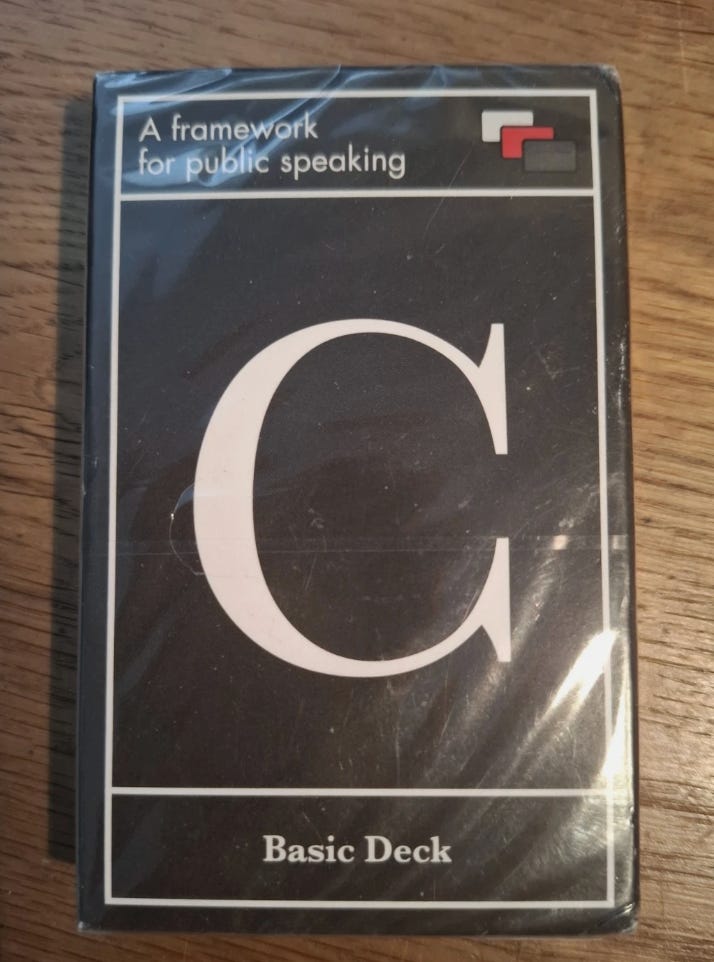
The people who consistently do well at impromptu speaking are not more naturally articulate than everyone else. They are running a small, repeatable process that removes most of the panic from the moment. What follows is that process, distilled into three simple steps — Inquire, Research, Build — plus the practical advice that ties them together. It is designed for the person who is not naturally comfortable on the spot. If it worked for an introvert with a real fear of public speaking, it will work for you.
Step 1 — Inquire
The first move happens days before the impromptu moment ever arrives. Ask your professor, your manager, your event organizer — whoever is running the setting — what kinds of questions or prompts you should expect. Some will tell you the topics tend to revolve around current social issues or recent events. Others will say the prompts are usually about personal opinions on values, ethics, or judgment calls. Some will refuse to tell you anything specific, which is itself useful information — it tells you the moment will be genuinely open-ended and you should prepare more broadly.
Most people never bother to ask. They assume the impromptu nature of the exercise means preparation is impossible. It is not. Inquiring shrinks the universe of possible topics from anything at all to a manageable set of themes. That single conversation is the difference between walking in blind and walking in with a general map of the territory.
Step 2 — Research
Once you know the rough shape of what might come up, the next move is preparation — but not the kind most people think of. You are not memorizing answers. You are building awareness. It matters that you are informed on recent social issues — climate change, current events, the topics that show up in serious conversation right now — and that you understand the background well enough to speak from a real perspective rather than from vague opinion.
Research is what gives you credible arguments to reach for when the pressure is on. It also helps you build your speech format on the fly, because the more you know about the general territory, the less time you need to spend constructing the shape of your answer under duress. With good preparation, three minutes is enough time to structure a coherent impromptu response. Without it, thirty minutes would not be enough.
There is an optional layer here that most people skip, and it is worth adding: light rehearsal. Ask yourself sample questions in your head. Practice adjusting your tone, pacing, and volume as you answer them out loud. Give yourself a few minutes to practice thinking on your feet — because speed and quick reasoning are muscles, and untrained muscles cramp under pressure.
Where the article ends for free readers
The first two steps — Inquire and Research — build the foundation. They shrink the unknown and give you real material to draw from. But the third step is where the transformation happens. It is the one that turns “I sort of know about this topic” into a structured, memorable, confident-sounding response in under three minutes of actual thinking time.
The remaining sections cover: the specific speech template used to build a complete impromptu response on the fly (with the exact structure of intro, body, and conclusion — including which parts to prioritize and which to leave loose), the one letter reminder that ties the entire framework together and keeps you calm the moment you actually stand up, and the six pieces of advice that separate people who survive impromptu speaking from people who quietly start looking forward to it.
Continue reading below ↓
This post is for paid subscribers. The full breakdown of Step 3 (Build), the IRB reminder, and the six on-stage tips is on the other side.
Step 3 — Build
